
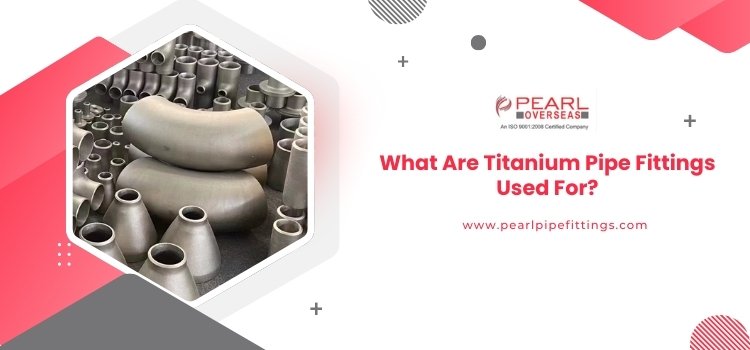
Why Titanium Pipe Fittings Are Used in High-Performance Piping Systems
If you are wondering what titanium pipe fittings are used for, this guide covers the grades involved and where they’re typically specified. For construction heads, architects, and engineering contractors handling high-value projects, selecting the right piping material is a critical decision. Titanium pipe fittings are used in industries where mechanical strength, long-term corrosion resistance, and extended service life matter most. Unlike carbon steel or copper, titanium fittings combine a lightweight structure with strong industrial performance.
In harsh environments, such as chemical processing plants, offshore platforms, power generation facilities, and specialized high-end construction, standard materials often struggle with extreme pressures, rapid temperature fluctuations, or aggressive corrosion. This is where titanium pipe fittings tend to hold up well. Resistant to pitting, high heat, and saltwater, these components are usually treated as a long-term investment rather than just an upfront cost. In applications where titanium’s corrosion resistance isn’t strictly required, buyers often compare it against Hastelloy or Monel fittings, which offer strong corrosion resistance at a different price point.
For project decision-makers, titanium fittings act as a risk-mitigation choice. Understanding their best applications, and which grade fits which job, helps engineers design safer piping systems and improve the lifecycle economics of critical infrastructure.
Titanium Pipe Fitting Grades and Standards
Titanium pipe fittings are most commonly supplied in two grades. Grade 2 is commercially pure titanium and the standard choice for most piping and fitting applications, valued for its corrosion resistance, weldability, and reasonable cost relative to other titanium grades. Grade 5, also known as Ti-6Al-4V, is an alloy with meaningfully higher mechanical strength, used where structural loads are greater, such as in aerospace and some high-pressure applications. Fittings are typically manufactured to ASTM B363, the standard specification for seamless and welded unalloyed titanium and titanium alloy pipe fittings, which sets out the dimensional and mechanical requirements buyers can specify against.
Key Properties That Define Titanium Pipe Fittings
Before exploring specific industrial applications, it helps to understand why titanium suits extreme conditions better than many other industrial metals.
The core advantages of titanium pipe fittings include:
- Strong corrosion resistance: performs well in chloride-rich, acidic, and highly corrosive environments
- High strength-to-weight ratio: offers structural integrity without adding excessive weight
- Wide temperature range: functions across both cryogenic and high-heat operations
- Extended service life: reduces maintenance, replacement, and downtime costs over time
- Broad chemical compatibility: handles aggressive fluids including seawater, chlorine, and reactive industrial chemicals
Applications of Titanium Pipe Fittings in the Chemical Industry
The chemical and petrochemical sectors are among the most established areas for corrosion-resistant titanium pipe components.
Common chemical processing uses include:
- Acid and alkali processing pipelines
- Industrial heat exchangers and condensers
- Chlorine manufacturing and bleaching systems
- Chemical reactors and high-pressure transfer lines
Because titanium resists both pitting and crevice corrosion, it supports reliable operation under reactive conditions, which helps with safety and regulatory compliance for chemical plant operators.
Marine, Offshore, and Desalination Projects
Marine environments are demanding on standard metal piping. Steel or iron fittings tend to deteriorate faster when exposed to moisture, saltwater, and fluctuating oceanic pressures.
Titanium pipe fittings are widely used in:
- Offshore oil and gas drilling platforms
- Large-scale reverse osmosis desalination plants
- Seawater cooling systems and shipbuilding
- Coastal infrastructure and underwater development projects
For marine architects and offshore contractors, titanium pipe fittings can extend a system’s lifespan while reducing maintenance interventions.
The Role of Titanium in Power Generation and Energy
In the power and energy sector, thermal stability and reliability are top priorities.
Titanium pipe fittings are used in:
- Nuclear power plant cooling loops
- Geothermal and traditional thermal energy facilities
- Heat recovery steam generation (HRSG) systems
- High-pressure steam and turbine cooling lines
Capable of withstanding temperature spikes, titanium is a common material choice in critical energy infrastructure.
Titanium Fittings in High-End Construction and Building Projects
Standard commercial projects typically rely on traditional plumbing, but high-performance titanium components are increasingly specified in advanced architectural and engineering designs.
Specialized construction applications include:
- High-performance, large-capacity HVAC systems
- Corrosive piping and fire protection networks
- Structural support systems designed for a multi-decade operational life
- Industrial laboratories and chemically exposed building facilities
For construction managers, titanium pipe fittings offer added confidence in environments where a piping failure could be hazardous or costly.
Aerospace, Defense, and Specialized Engineering Uses
Titanium’s strength-to-weight ratio and reliability make it a common material in high-tech sectors:
- Hydraulic fluid and aerospace fuel transfer systems
- Defense installations and naval vessels
- High-level engineering, scientific, and research facilities
These applications often specify Grade 5 titanium for its higher mechanical strength over commercially pure Grade 2.
Conclusion
Understanding where titanium pipe fittings are used, and which grade fits which application, makes it easier to see why they’re a common choice across several industries. Whether used in chemical processing, marine environments, power generation, or specialized construction, titanium fittings offer strong corrosion resistance, tensile strength, and longevity. For high-risk, high-value systems, specifying the correct grade against ASTM B363 is a practical step toward long-term operational reliability.
FAQs
Q1. Which industries benefit the most from using titanium pipe fittings?
Titanium pipe fittings are most useful for industries dealing with aggressive corrosion, extreme pressure, or wide temperature variations. This includes chemical processing, marine and offshore drilling, power generation, oil and gas, and aerospace construction.
Q2. Are titanium pipe fittings economical in the long run?
The upfront cost of titanium pipe fittings is higher than stainless or carbon steel, but the total lifecycle cost is often lower for demanding applications, since they reduce corrosion-related failures, replacement parts, and operational downtime over time.
Q3. Can titanium pipe fittings be used in normal commercial construction?
Standard residential or light commercial buildings usually don’t need the extreme durability of titanium. It’s a better fit for specialized commercial environments where pipes are exposed to aggressive chemicals, saltwater, or where long-term durability is a priority.
Q4. What’s the difference between Grade 2 and Grade 5 titanium pipe fittings?
Grade 2 is commercially pure titanium, the most common grade for piping and fittings due to its corrosion resistance and weldability. Grade 5 (Ti-6Al-4V) is an alloy with higher mechanical strength, used where structural loads are greater, such as aerospace and some high-pressure applications.
Looking to source titanium pipe fittings for an industrial or construction project? Contact us today or email us at export@pearlpipeindia.com to discuss your grade and spec requirements.