
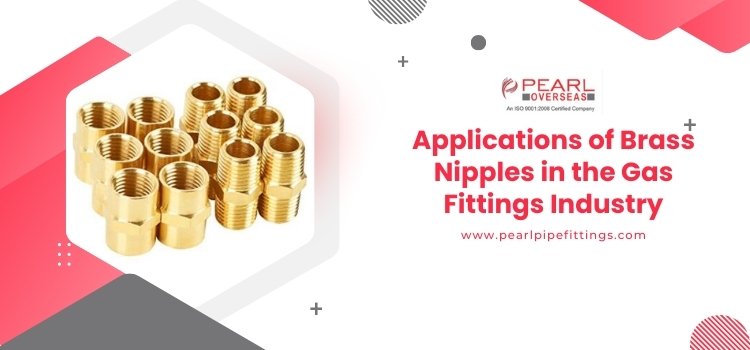
Understanding the Role of Brass Nipples in Modern Gas Systems
Brass fittings are a key component of modern gas distribution systems, and understanding the applications of brass nipples in the gas fittings industry is important for anyone working in construction, infrastructure, and large-scale industrial projects. In gas-line safety and performance, the reliability of fittings is often the single biggest factor determining how long a system lasts. Brass nipples stand out because they combine durability, leak resistance, machinability, and strong compatibility with a wide range of gases. Their strength and versatility make them a mainstay across gas-related applications, from domestic LPG systems to industrial gas pipelines.
Why Brass Nipples Are Preferred in Gas Fitting Projects?
Brass nipples have earned a central place in gas networks thanks to a strong combination of performance and practicality. Their major strengths are:
- High corrosion resistance.
- Reliable pressure-handling ability.
- Tight, leak-proof seals.
- Compatibility with natural gas, LPG, and industrial gases.
- Simple installation and a long service life.
These characteristics are why brass nipples show up so consistently across gas-line systems, whether in a home or a large industrial facility.
Key Applications of Brass Nipples in Gas Fittings Industry
Brass nipples find extensive application across systems involving gas. Site supervisors, contractors, and industrial engineers rely on them for both daily operations and long-term installations, thanks to their versatility.
1. Use of Brass Nipples in Domestic LPG Installations
Secure fittings are essential to gas-line safety in homes and residential buildings. Brass nipples play a crucial role in:
- Linking gas cylinders to regulators.
- Extending pipelines to gas stoves.
- Maintaining leak-free operation over regular use.
- Resisting moisture and typical kitchen conditions.
These applications improve both the safety and convenience of household gas systems.
2. Importance of Brass Nipples in Industrial Gas Distribution Systems
Industries that handle gases like nitrogen, hydrogen, oxygen, and propane need fittings that can maintain a constant, reliable seal under continuous pressure. Brass nipples are used in industrial setups for:
- Attaching gas storage to distribution manifolds.
- Regulator assemblies operating under high pressure.
- Heating equipment and burner lines.
- Automated gas-handling units.
Brass maintains a consistent, dependable connection even as temperature and pressure levels change.
3. Brass Nipples as Essential Components in Commercial Gas Pipelines
Businesses such as restaurants, hotels, canteens, and malls rely on centralized gas supply networks. Brass nipples support these systems by:
- Extending pipelines through walls or internal layouts.
- Providing resistance to wear and tear.
- Supporting frequent connection and disconnection cycles.
- Offering dependable corrosion protection in humid environments.
This reliability has made brass nipples a popular choice among architects and contractors building long-lasting commercial gas pipelines.
4. Use of Brass Nipples in HVAC & Heating Systems
Gas-powered heating systems need stable fittings to guarantee steady operation. Brass nipples are well-suited for:
- Gas-fired boilers.
- Central heating equipment.
- Heavy-duty burners.
- Integrated systems in commercial complexes.
Their stability allows them to hold up under extreme heat and demanding operating conditions.
5. Integration of Brass Nipples in Pressure Control Units
Proper pressure management is key to gas system safety. Brass nipples are used in:
- Pressure regulators.
- Safety valves.
- Monitoring and control systems.
- Gas flow distribution arrangements.
Precisely cut threads and tight tolerances make them a dependable option in sensitive installations.
Advantages of Using Brass Nipples in Gas Fitting Projects
Choosing the right fitting is what keeps gas infrastructure running smoothly. Key benefits include:
High Corrosion Resistance
Brass naturally resists rust and chemical reactions, making it well-suited to long-term gas applications.
Strong Mechanical Strength
Brass nipples withstand pressure fluctuations without fracturing, important for heavy-duty commercial and industrial use.
Leak-Proof Connections
Precisely cut, even threads create an airtight seal.
Thermal Stability
Brass holds its shape and strength even at high temperatures.
Cost-Effectiveness
Brass nipples typically cost less than stainless steel or specialized alloy alternatives, while still delivering strong performance for most gas applications.
Conclusion
Brass nipples serve a wide range of roles across domestic LPG connections, commercial supply systems, industrial distribution networks, HVAC systems, and pressure control units. Their corrosion resistance, pressure tolerance, leak-proof seals, and cost-effectiveness make them one of the most reliable fitting choices in gas infrastructure today , whether you’re upgrading an existing system or building a new one. Browse our range of brass flanges and pipe fittings to find the right components for your project.
FAQs
Q1. Which type of brass nipple is best for LPG gas pipeline installations?
For LPG installations, look for a nipple made from high-quality forged brass with BSP or NPT threaded ends, which provide a tight, leak-free connection. It should be corrosion-resistant, pressure-rated for LPG use, and compliant with applicable gas safety standards. Fittings that meet these criteria offer safe, reliable operation in both domestic and industrial gas systems.
Q2. Are brass nipples suitable for high-pressure industrial gas systems?
Brass nipples can be suitable for industrial gas systems, provided they carry the correct pressure rating for the application. Brass offers strong mechanical performance, corrosion resistance, and leak-tight seals, making it dependable for most gas applications. For extremely high-pressure systems, stainless steel or other alloys may be required instead, always match the fitting grade to the specific pressure and gas type in your system.
Q3. What is the typical lifespan of brass gas fitting nipples?
Brass gas-fitting nipples are generally built for a long service life, often spanning several decades under normal operating conditions, thanks to their corrosion resistance and durability. Actual lifespan varies with factors like moisture exposure, pressure levels, and installation quality, so periodic inspection is recommended to ensure continued safe performance.
Ready to enhance your gas-line infrastructure with reliable fittings? Choose high-quality brass nipples for maximum safety and performance in gas systems. Email us at export@pearlpipeindia.com or contact us today for expert assistance and premium-grade products that elevate your project’s reliability.