
Overview
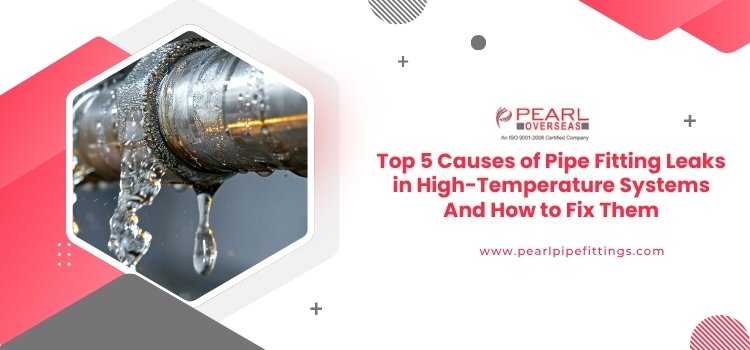
Loose piping connections, old and worn-out sealing elements, rust accumulation, and incompatible Pipe Fittings for handling high temperatures are examples of places where the most Pipe Fittings leaks are likely to occur. Many industrial processes require pipes to be exposed to heat and pressure conditions for extended periods, and over time, this continuous stress on pipes weakens the strength of pipe joints and fittings. Initially, leakage may be found and seem unimportant, but if it is left untreated, it can become an operational issue.
While these leaks may not cause an immediate problem in the system, over a period of time, they can affect the overall system flow, decrease system efficiency, result in higher repair costs, and may even completely halt production.
How & why Pipe Fitting Failures occur
- Ongoing exposure to high temperatures and pressures
- Improper installation of fittings and joints
- Weathering and rusting over time
- Worn or failed gaskets and seals
- Expansion and contraction of pipes in thermal systems
- Too much vibration while operating
- Wrong fit for the application (fitting materials)
- Maintenance and inspection are poor
- Subjected to greater stresses than the pressure rating
- Normal ageing and wear on pipe components
Top 5 Causes of Pipe Fitting Leaks
Incorrect Installation:
- Pipe fittings that are not properly aligned or when the fittings are not connected tightly have some space and over time become leaky when used.
Corrosion and Rust :
- Fittings are situated at the surface, and over time, the surface of such fittings can be impacted by moisture, chemicals, and adverse working environments, causing deterioration of the joint area and resulting in a leakage condition.
Defective Sealing Components :
- Gaskets and seals are a part of the design and need to be changed because of natural wear. Fittings may lose flexibility and/or crack, making them less leakage-tight.
Due to pressure change and thermal expansion:
- These expansions and contractions of pipes in high-temperature systems often take place, and supply added strain on pipe connections.
Installation will be refused if made with an Inappropriate Material Fit:
- The use of non-conforming materials, not in accordance with the system temperature, pressure, or fluids, will degrade more quickly and may have a greater likelihood of leaking.
Tips for Proper Maintenance
- Design using proper materials for temperature and pressure requirements
- Do not forget the appropriate installation, tightening, and alignment
- Clear the piping system to minimise corrosion and fouling
- Observe fluctuations in pressure and temperature on a regular basis
- Use protective coatings in areas prone to corrosion
- To prevent an unscheduled failure of the system, have maintenance done periodically
The most popular material for pipe fittings is used in high temperatures:
- Typical Punk Rock Stainless Steel – Thermal resistant and corrosion protectant
- Alloy Steel – appropriate for systems exposed to high pressure and high temperatures
- Carbon Steel – Industrial piping, strong and durable
- Inconel Alloys – Remain suitable in hot environments
- Copper nickel – Resistant to corrosion and thermal stress (good)
- Duplex Stainless Steel – Possesses high strength and has superior corrosion resistance
- Chrome Moly Steel – Usually found in Power station & Refinery systems
Conclusion
Pipe Fittings leaks can initially be a minor problem; however, if left undetected and unaddressed for an extended duration of time, they can be incredibly detrimental to the safety and performance of the overall system. Over time, especially in high-temp installations, the heat, expansion and contraction, corrosion, and wearing sealing parts contribute to a gradual weakening of the tendency of Pipe Fittings and joints to hold a seal. This will add maintenance expenses and can even lead to unexpected downtime and loss of valuable equipment.
The best time to avoid these issues is before they send a major breakdown bill, through regular inspections and proper maintenance. Choosing a suitable material and replacing it in time when it gets damaged ensures the piping system functions in a safer and smoother manner, and with greater efficiency. Maintenance also minimises leakage hazards, ensures reliability of operations, and helps to maximise industrial performance.
FAQs
Q1. With high-temperature piping, when is it more likely to leak?
The high temperatures cause fittings and joints to expand and contract constantly in operation, thus adding to their operating stresses.
Q2. Have there been identified and recorded incidences of failure caused by the improper fitting material?
Well, fittings which do not subject to high pressure & high temperature can suffer more wear, cracking and leakage.
Q3. Why is it necessary to conduct Preventive Maintenance work on Industrial Piping Systems?
The points to remember here are that preventive maintenance allows you to identify small issues early on, rather than just when they become larger repair issues or unforeseen stoppages.
In need of sturdy Pipe Fittings systems for hot water? Call us today for reliable and effective industrial pipe support. For prompt support, please send an email to export@pearlpipeindia.com